


Employee Spotlight: Katie Trase
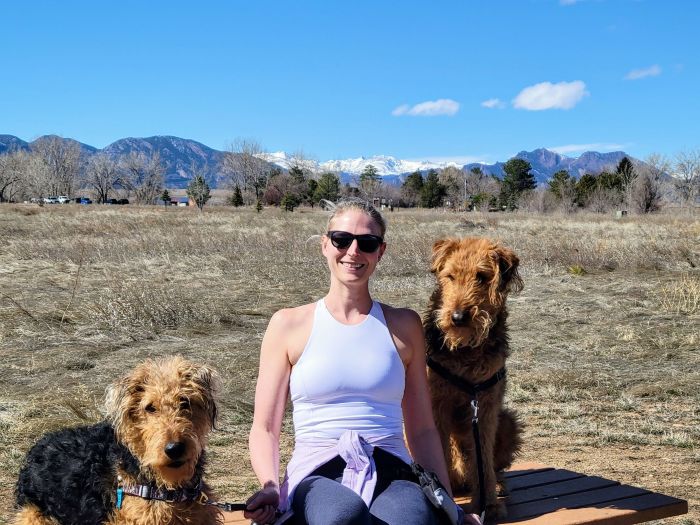
Meet Katie, Violet Labs’ newest Technical Product Manager!
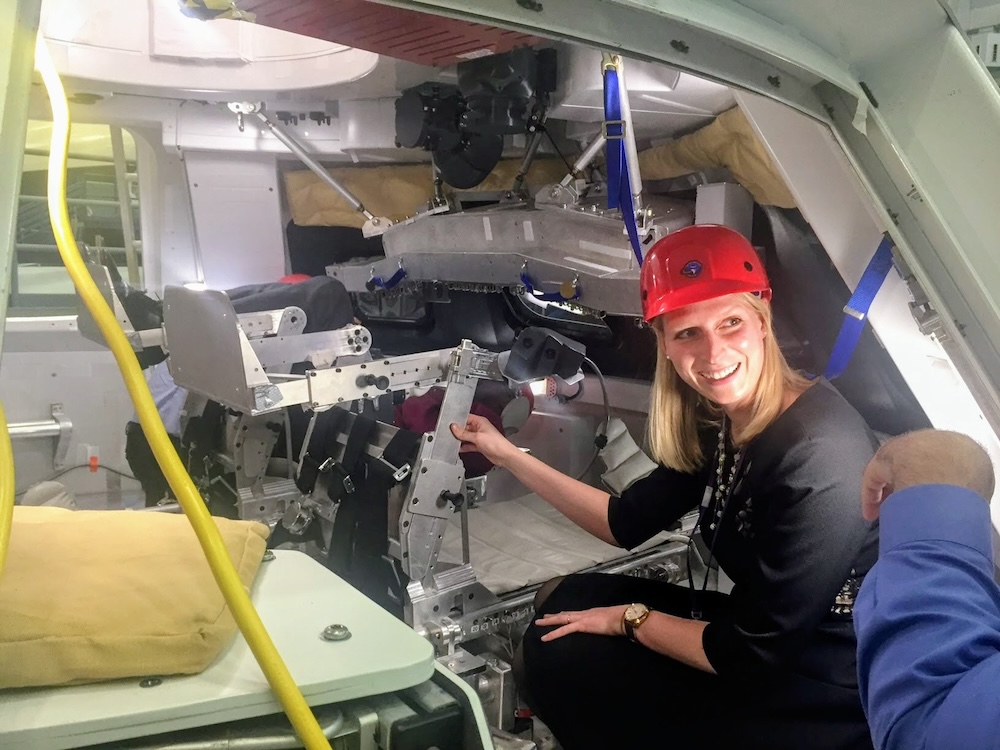
Katie has a background in Industrial & Systems and Nuclear Engineering, with a Master's in Business Analytics. She began her career at NASA Glenn Research Center, supporting technology development and human spaceflight programs. After that she joined Ball Aerospace / BAE Space & Mission Systems, where Katie supported missile warning programs and led the company's Model Based Systems Engineering (MBSE) adoption efforts.
Katie will be driving Violet's Model Based initiatives, and is looking forward to removing the BS from MBSE.
Read Katie's story below:
---
Welcome to Violet! You’ve had an interesting path to where you are today. Can you tell us about it?
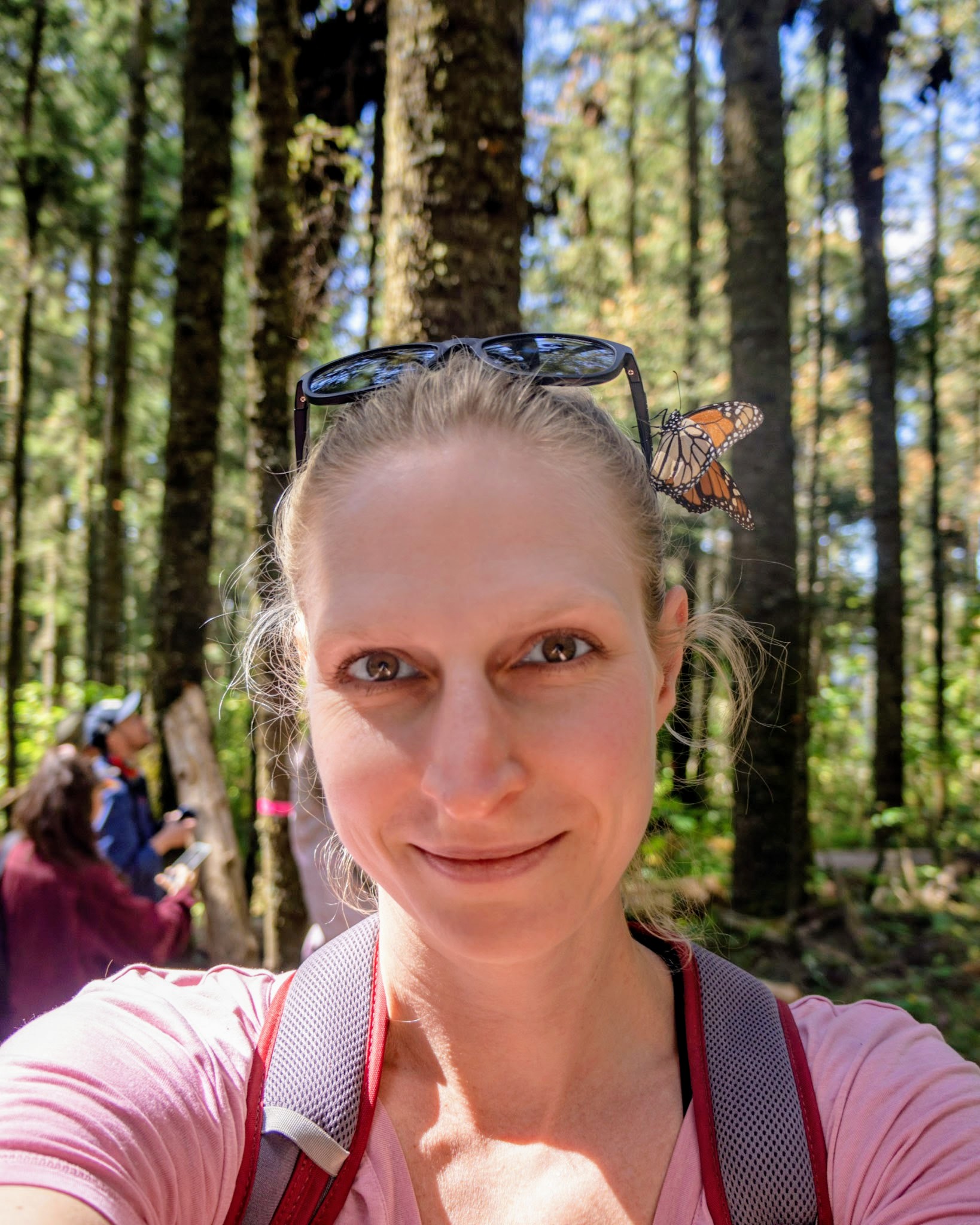
I grew up very interested in insects and bugs and originally went to college to study entomology! After the first quarter or two I decided that bugs didn't have many good paying job opportunities. It also involved a lot of chemistry... that was not my jam.
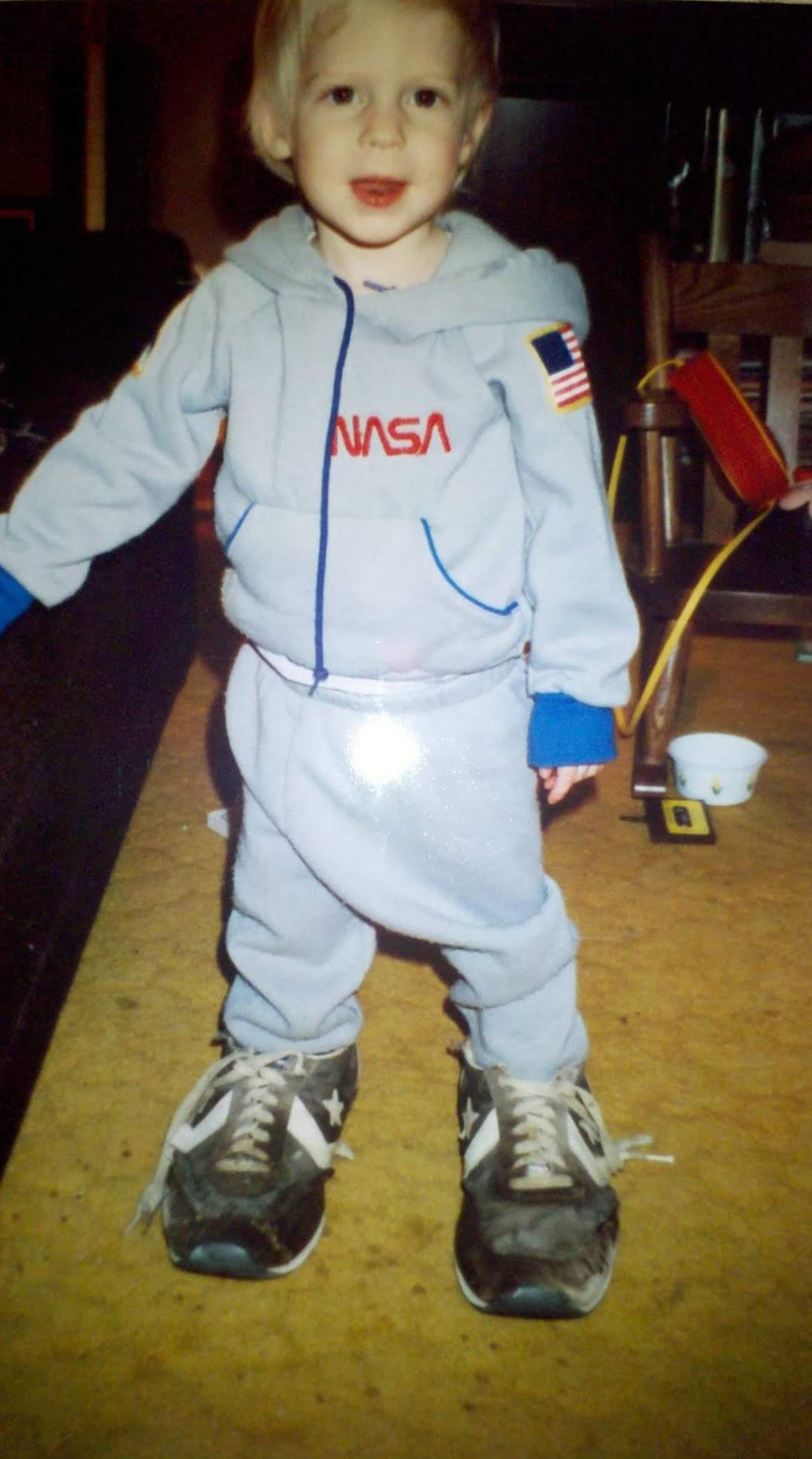
I switched my major to architecture for a quarter. I was excited about the idea of creatively designing stuff, but I took my first architecture studio class and decided that I didn’t really connect with the artistic emphasis of the program. I found that I really wanted something that was a lot more structured and mathematical. I found myself thinking “Where's my math? Where's my structural analysis? When are we going to talk about concrete?” So by the end of my freshman year of undergrad, I thought, maybe I should switch to engineering.
My dad was an engineer and growing up he encouraged me to do engineering, and at that time I said, "No, you're an engineer. I don't need to be a nerd like you." I appreciate his willingness to let me find my own path and chart my own course. In my next year of college, I switched to Industrial Engineering and was really excited about the prospect of finding ways to make things more efficient and more effective, and having data to justify those decisions to improve and streamline processes. A couple years later I got an internship with NASA Glenn Research Center in Cleveland.
NASA?! Tell us all about it.
Turns out they hired me because my degree was called Industrial and Systems Engineering. NASA kind of latched on to the “and systems engineering” part. I soon learned that industrial engineering and systems engineering are very different things. I spent much of my summer making PowerPoint cartoons of mission architectures: a lot of “drawing” and not much “design or optimization,” like I had been learning in my industrial coursework. By the end of the summer, I didn't think I wanted to work for NASA and I didn't want to do systems engineering; it sure seemed as though I’d be chasing a bunch of PowerPoint charts and documents instead of doing “real engineering.”
My dad convinced me to stay at NASA, and soon after starting, I learned about Model-Based Systems Engineering (MBSE). Aha! MBSE was much more efficient and better enables us to design optimal systems. I drank the MBSE (Model-Based Systems Engineering) Kool-Aid and took that and ran with it -- and became one of the local experts at NASA Glenn. Despite my early career objections, I went on to become a systems engineer.
What came next?
I worked at NASA Glenn for eight years, and after that I decided to go check out Colorado! Regrettably there's no NASA in Colorado. But, there are some really cool aerospace companies and I got a role working with Ball Aerospace (now BAE Systems).
At Ball I basically said: I think we should be doing this MBSE thing! It was kind of a grassroots level effort, some colleagues were interested in MBSE but there was no formal initiative.
So I talked with our management team. I said we've got to be prepared, and I think we should hire somebody to lead our MBSE efforts, here's a job description. Also, here's my application for said job description...
I ended up leading Ball's MBSE efforts for six years. Along the way I supported a variety of traditional systems engineering programs and tried to advocate for digital engineering advances in addition to MBSE. Then I learned about Violet and now I'm here!
Now that you are here, what do you tell people that you do?
I say we're providing the capability to help different kinds of engineers talk to each other in a way that's more efficient, effective and consistent.
People might be shocked at the way engineers build rockets. They might imagine that there's this wonderfully sophisticated system and we're magically designing our stuff with really cool visuals and graphics and analytics, but the reality of the situation is that we email each other a lot of files and manually recreate data from discipline to discipline.
At Violet, we're building a platform that can help streamline and simplify how our engineering teams collaborate across our different disciplines. You know, get us a little closer to “magic.”
Being fairly new to the company, what character traits make for a good Violet employee?
Curiosity is probably that number one characteristic in my brain. Currently, I'm trying to be curious about the different flavors of needs that are out there in our customer base and identifying those places where it's not just a one-size-fits-all.
What has been the most challenging thing about joining Violet?
I think it is the startup environment! I've increasingly added entropy and chaos to each job throughout my career. I started in the government; that's very low chaos, it's very structured. When I went into industry, some of those constraints were reduced and came with a little more freedom to execute, but still a good amount of structure.
Here at Violet we are inventing in real time and laying down the bricks for the road that we're driving on today. So I think my biggest challenge is identifying the right things that we should be working on. We all have a lot of really awesome ideas. The question is are they the right things that we should be working on right now?
What are you working on that makes you the most excited?
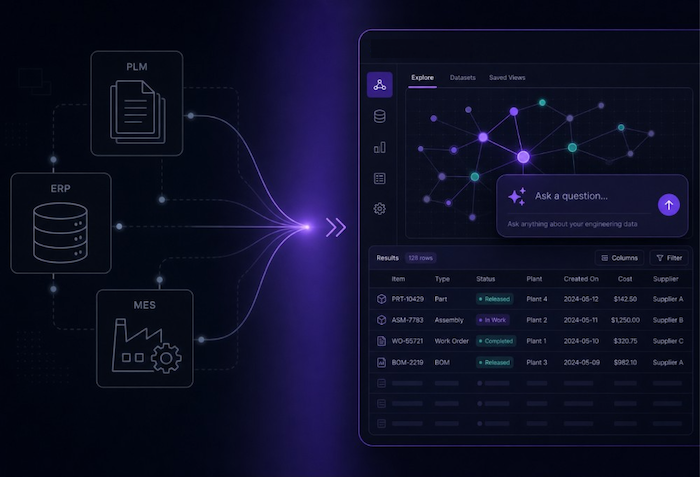
I'm excited by the user friendliness of our platform and the ability to bridge the systems engineering, system development, lifecycle-type data with the manufacturing and supply chain data. I'm really excited that our platform can start to help bridge those gaps and basically connect those neurons, if you will.
I think that's something that differentiates us from other folks in this space -- not only are we connecting the data but we're also providing a means to take action! We make visible the data coming and going from the platform and are bolstering our analytics features to help users understand the integrated perspective of their data, informing their next steps.
What job would you be terrible at?
I would not thrive in a data entry role. I really like to know why we're doing something, how it's been done historically and what factors prevent or enable us from doing it a different and better way. Essentially, I would not be great at something that doesn't let me be creative or solve problems.
If you had to listen to one song or album for the rest of your life, what would it be?
I will officially reveal that I'm as much of a nerd as you’d assume I am based on this conversation... and I'll say one of Weird Al's albums. They're just really funny and smart. The comedy aspects bring me a lot of joy and I love a good pun!
What's the most used app on your phone?
Google Maps! I love finding a good restaurant or fun things to do or cool places to go. It's a source for reviews -- and then the facts and the data! How long is it going to take me to get there? And how long if there is traffic? Where can I park? What is the average review? I suppose the practicality of just getting me where I need to go is nice as well.
What's your favorite or most used emoji?
Definitely one of the laughing ones, probably the classic millennial laughing with tears 😂. I’ll own it!
Respect. Thanks Katie!
Interested in joining the Violet team? We're hiring! Check out our open listings at jobs.violetlabs.com.



Abolish silos.

